
How affordable is Budapest? Learn about living costs in Hungary
Budapest is a capital city on the border of Western and Eastern Europe. As a result, it has an excellent infrastructure with good public safety, great public transit, and fast internet connection – while living costs are much lower than in Western Europe or the U.S. Read on to find out just how affordable Budapest is.
Budapest is a capital city on the border of Western and Eastern Europe. As a result, it has an excellent infrastructure with good public safety, great public transit, and fast internet connection – while living costs are much lower than in Western Europe or the U.S. Read on to find out just how affordable Budapest is.
- Housing and household costs
- Dining in and out
- Getting to places
- Entertainment
- Healthcare and personal care
- FAQ
Living costs and living standards in Budapest
Like anywhere else, living costs in Budapest will greatly depend on the living standards you aim for. A freshly renovated apartment in downtown Budapest will cost more than an older one in the suburbs, or dining out regularly will cost more than cooking for yourself. Still, life in Hungary is typically cheaper than in the U.S. on average. Let’s see a few numbers!
But before that: please note that the official currency in Hungary is the Hungarian Forint (HUF). Here we have converted costs to USD for your convenience, but that makes comparisons a little less accurate due to the volatility of currency exchange rates.
Housing and household costs
The Hungarian citizenship journey often involves gradually spending more and more time in Hungary: first just a few days or weeks in a hotel or a short-term rental, then finding a mid term rental, turning it into a long-term rental, then buying a home of your own. If you are interested in moving here, you should be aware that housing culture is quite different from the U.S.
In Hungary, more than 90% of people own their homes, so the rental market is significantly smaller than what you expect in U.S. cities. At the same time, rent is typically lower than the U.S. average, while buying a home might be more expensive. The most important aspect for real estate is always location, but floor size and the condition of the building will matter a lot too. The below listed prices refer to Hungarian real estate that was recently renovated and/or is in a good condition; you can surely find real estate for lower prices too, but that will probably be in a less favorable location or in an older building.
| Housing | Budapest | U.S. average |
| 3-bedroom apartment outside the city center | ~$1,300/month | ~$2,220/month |
| 3-bedroom apartment downtown | ~$1,705/month | ~$2,680/month |
| Buy an apartment outside the city center | ~$4,100/m²* | ~$2,660/m² |
| Buy an apartment downtown | ~$5,900/m²* | ~$3,390/m² |
*Please note: for measuring floor space, Hungary uses square meters instead of square feet. 1 square meter is around 11 square feet. You can find a simple calculator here.
At the same time, costs related to your accommodation tend to be somewhat lower than in the U.S. Utilities typically cost less, while the internet is cheap and fast almost everywhere in Hungary.
| Household | Budapest | U.S. average |
| Utilities for ~900 sq ft apartment | ~$162/month | ~$214/month |
| Internet | ~$24/month | ~$73/month |
Dining in and out
Groceries in Hungary are typically more affordable than in the U.S. In line with this, dining out will also end up cheaper, whether you are going for a 3-course meal or just a coffee. Good to know: tips in Hungary are a lot lower than in the U.S., at around 10-15%, reducing the costs of dining out even more. You can read up on tipping in Hungary here.
| Food | Budapest | U.S. average |
| Groceries for a family of 4 | ~$650–$1,100/month | ~$900–$1,400/month |
| Casual restaurant meal for 1 person | ~$13 | ~$20 |
| Mid-range 3-course dinner for 2 people | ~$70 | ~$75 |
| Cappuccino | ~$4 | ~$5–$7 |
Getting to places
The costs of transportation will depend on how you roll. Budapest has an excellent public transportation system that lets you get around the city day and night, and even the suburbs have easy connection to the city center. If you prefer living downtown, you might not even need a car because you will find everything within walking distance, or at least quickly reachable by bus or tram. You can also get around on a bike or a scooter; if you don’t have your own, you can easily rent a public one.
| Transportation | Budapest | U.S. average |
| Monthly pass for public transportation (1 adult) | ~$29 | ~$65–$87 |
| Gasoline (1 U.S. gallon) | ~$7 | ~$3.90 |
Entertainment
Budapest has a vibrant cultural life with a number of cinemas, theaters, concert halls, museums, and other venues offering all kinds of entertainment – in English and other foreign languages as well as in Hungarian. National and international festivals attract performers and audiences from all over the world, and you can always find something to get amazed by.
| Entertainment | Budapest | U.S. average |
| Cinema (1 adult) | ~$10 | ~$15–$16 |
| Cinema (family of 4) | ~$40 | ~$60–$65 |
| Theater (2 tickets) | ~$50–$70 | ~$250 |
Childcare and education
Costs of childcare and education will depend largely on whether your child speaks Hungarian. School age children (between 6 and 16) living in Hungary are expected to attend formal education, and if your child does not speak Hungarian, that will exclude most public institutions. Homeschooling is an option, but might not be possible since the Hungarian standard curriculum might be widely different from what you have in mind. Of course, there are several private and international schools available in Budapest, for a price.
| Schools | Budapest | U.S. average |
| Private preschool (1 child) | ~$550+/month | Varies significantly by state/city |
| Private/international elementary school (1 child) | ~$6,000–$25,000/year | ~$13,000/year average private elementary |
Healthcare and personal care
Comparing healthcare costs is tricky, because the Hungarian system is widely different from what you find in the U.S. First of all, if you are employed in Hungary, you can take advantage of the Hungarian public healthcare system. Services are free of charge (including dental), although there is a chance that you will need an interpreter for your doctor’s appointments because English speaking professionals are hard to come by in public healthcare. At the same time, your family members will still need coverage, but there are several private providers that can take care of that. Private healthcare insurance providers often have recommendations for English speaking service providers too.
| Healthcare | Budapest | U.S. average |
| Employer-sponsored family health insurance | Public system available to eligible insured residents | ~$2,249/month total premium |
| Employee’s average share of family insurance | n/a | ~$571/month |
| Private GP / short doctor visit | ~$75–$145 | ~$127 |
| Basic cold medicine | ~$15–$20 | ~$10–$20 |
| Routine dental cleaning | ~$80–$120 | ~$75–$200; ~$125 average |
Healthcare is not the only way to take care of your body. Regular workout can do wonders, and Budapest has many gyms that will let you do that. A lot of those have swimming pools too, as swimming is quite a popular sport in Hungary. At the same time, Hungary is well known for its spa culture, and Budapest has a number of hot bathes too. And if you want to look good as well as feel good, you can always have your pick of hairdressers, masseurs, or beauticians.
| Fitness & personal care | Budapest | U.S. average |
| Gym membership (1 adult) | ~$50–$70/month | ~$78/month |
| 60-minute massage | ~$50–$60 | ~$105 |
| Facial treatment | ~$50–$100 | ~$110 |
| Men’s haircut | ~$20–$40 | ~$33–$39 |
| Women’s haircut + blow-dry | ~$45–$75 | ~$69 average haircut |
| Gel manicure | ~$40–$70 | ~$45 |
Your Helpers in Hungary
The Helpers Team is committed to making your Hungarian citizenship journey as smooth as possible. While our main focus is on supporting our clients throughout the citizenship application procedure from initial evaluation until they receive their Hungarian passport, we are here to support you all along the way, with information about history and culture as well as living costs.
How can we help you now? Feel free to get in touch and discuss your needs with one of our experts.
FREQUENTLY ASKED QUESTIONS
That probably depends on your living standards, but on average, yes, living costs in Hungary are lower than in the U.S. More specifically, Budapest, which is the largest city of Hungary with about 2 million residents, is a lot cheaper than any big city in the U.S. while it still offers a wide range of opportunities.
Those who pay social security contribution in Hungary (typically if they are employed or run a business) can take advantage of the public healthcare system, which is normally free of charge, since you have already paid for it with your taxes. Private insurance plans and private healthcare providers are typically cheaper than what you would find in the U.S.
As you spend more and more time in Hungary, it will probably make sense to buy a home of your own. If you have money to invest, you can safely invest in Hungarian real estate too; you can rent use it for a steady income source, and once you decide to settle in Hungary, you will already have a place to stay. Learn more about real estate investment here.



Contact
Get in touch today

Monday - Friday
9am - 5pm CET
Helpers Hungary Kft
Budapart Gate
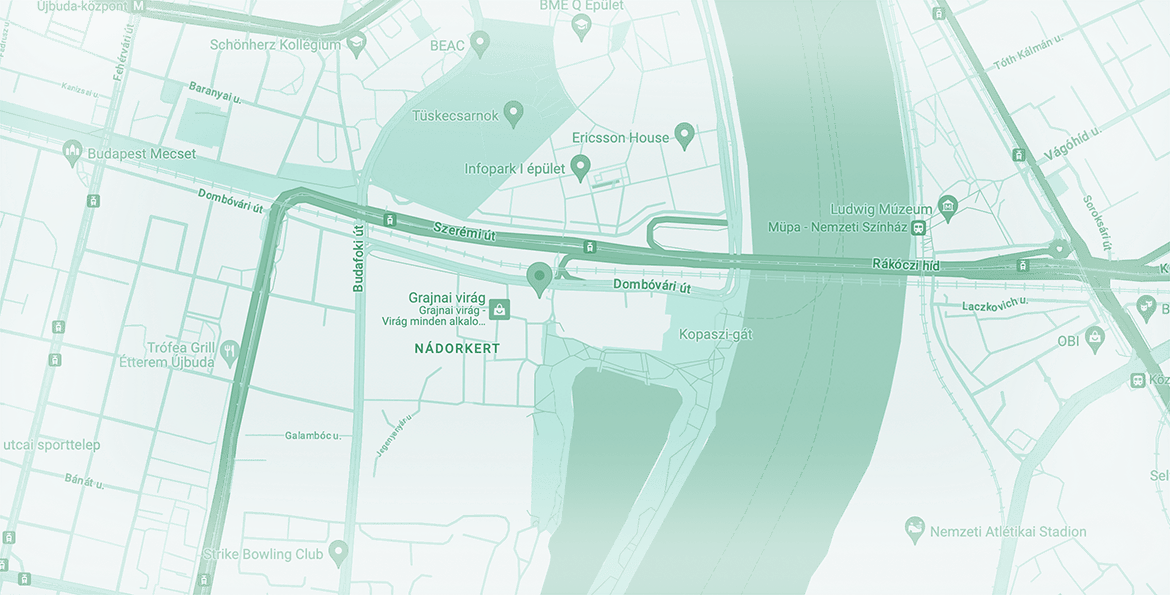
Dombóvári út 27
Budapest 1117, Hungary
If you’re visiting us, please use entrance A and come to the 2nd floor.