
Christmas in Hungary: A family tradition reborn
Our first Christmas in Hungary barely felt real. We arrived in late November 2017, wide‑eyed from uprooting our lives, when the Christmas markets suddenly burst into full festive colour. For someone raised in Canada – where markets were rare – the idea of actually living somewhere that transformed overnight felt magical and marked the beginning of a family tradition reborn.
— Guest post by Anikó Woods of How to Hungary.
Our first Christmas in Hungary barely felt real. We arrived in late November 2017, wide‑eyed from uprooting our lives, when the Christmas markets suddenly burst into full festive colour. For someone raised in Canada – where markets were rare – the idea of actually living somewhere that transformed overnight felt magical and marked the beginning of a family tradition reborn.
— Guest post by Anikó Woods of How to Hungary.
Arriving in Hungary just in time for Christmas
We landed in Budapest at the end of November, still trying to work out the metro system and racing between flat viewings, when the city suddenly went full festive. Christmas markets had already opened. Lights everywhere, forralt bor (mulled wine) everywhere, the whole place humming with that particular December warmth Hungarians seem to achieve effortlessly.
Coming from Toronto, where a single Christmas market eventually appeared downtown (and definitely not in my childhood), the sight of market stalls right in our neighbourhood felt surreal. For the first time it hit me: We’re not tourists anymore. We live here now.
We’d only lived in Hungary for three weeks when my parents, my sister, her husband, and a new Canadian-Hungarian friend appeared for Christmas. We celebrated in an Airbnb because our new flat wasn’t available until January, but no one cared. We had a tree, a table we’d improvised into a dining space, and a sense that something important was beginning.
The Hungarian traditions I grew up with
Although I was born and raised in Canada, our Christmases were unmistakably Hungarian. And because we didn’t know any other Hungarian families, these traditions felt almost mythical – things that existed only inside our home.
Christmas Eve was the celebration. My sister and I were kept upstairs until we heard the bell ringing from the mantelpiece. That was the signal: the baby Jesus and the angels had arrived. We’d tear downstairs to find the tree magically decorated, lights glowing, presents beneath it. To this day, I have no idea who rang the bell. I prefer the mystery.
We always opened every gift on the 24th – utterly baffling to my Canadian friends. And we wore velvet dresses handmade by my grandmother because Christmas Eve was a proper occasion. We had live trees (non-negotiable), potato salad, cabbage rolls, and bejgli in enough quantities to feed a medium-sized village.
We were not a fish soup family (halászlé). And I’ve held that line ever since.
And because we were also Canadian children, Santa turned up on Christmas morning too. Looking back, we enjoyed a glorious two-day festival of presents entirely by accident.
These routines remained well into my adulthood. Only when Andrew and I married did we begin blending traditions – Hungarian Christmas Eve with British Christmas Day. Crackers, turkey, mince pies, followed by cabbage rolls. Extremely international, but it worked.
Seeing Hungarian traditions come alive in Hungary
Living in Hungary changed the entire rhythm of the season. Christmas in Hungary is calm, steady, and deeply family-centred – quite different from the mall-driven December I grew up with.
The first thing we noticed? No mall Santas.
None. Not a single one.
Andrew was genuinely perplexed. “But… where do people get their Santa photos done?” he asked, as if Hungary had overlooked a crucial clause in the global Christmas agreement.
But here, the focus is on Christmas Eve at home. Shops close early – public transport practically vanishes by late afternoon – and the entire country retreats indoors. It’s quiet. It’s peaceful. It’s strangely moving.
And then there’s the food. In Toronto, we had one Hungarian shop that sold everything the diaspora depended on. Here? It felt like entering another universe. Bejgli everywhere. Real mákos and diós varieties. Proper cabbage rolls. And mountains of szaloncukor, the sugared lifeblood of Hungarian Christmas.
Szaloncukor wasn’t a treat in Canada – it was a rationed luxury. In Budapest, it became an entire experience. Andrew took to it with the enthusiasm of someone finally allowed into the sweet shop of his childhood dreams. Every year since, he’s built a sort of informal tasting project, trying flavours from all over the country.
His favourite? This year’s award-winning Narancs Esszencia from Promenád Kávéház in Balatongyörök – a glorious fusion of confit orange jelly, dark chocolate, and orange cream. A triumph of Hungarian confectionery and an unusually elegant way to eat far too much sugar.
New traditions once the whole family returned
That first Airbnb Christmas was just the beginning.
The following year, Christmas was quieter – just friends in Budapest. But the year after that, my sister and her husband moved here. And the year after that, my parents returned to Hungary too. For the first time in our lives, we were all celebrating Christmas in the same country as adults.
We revived the old Hungarian traditions:
- Christmas Eve as the main celebration
- The full Hungarian menu
- The same childhood rituals, now passed down through a new generation of adults
And we created new ones:
- Blending Hungarian and international friends into Christmas Eve
- Bringing enough szaloncukor to supply an entire district
- Hosting the celebrations in our home
My favourite new tradition?
Christmas Day brunch at one of the beautifully decorated grand hotels around the city. Hungarian music, sweeping festive décor, and a menu that makes everyone happy: turkey for Andrew, fish soup for the brave, and reliable cabbage rolls for me. It’s elegant, indulgent, and effortlessly joyful.
There is nowhere more beautiful than Budapest at Christmas.
Why Christmas feels different when you’re connected to your roots
Over the past few months, I’ve written a few articles for Helpers Hungary – about reclaiming my Hungarian citizenship, finding our first home, and the quiet but powerful advantages of holding a Hungarian passport.
Christmas, strangely enough, ties all those threads together.
If you grew up with Hungarian roots – whether you spoke the language or only heard snatches of it; whether your family kept traditions faithfully or improvised them with whatever ingredients were available – there’s something special about experiencing Christmas in Hungary yourself.
You understand the traditions in a deeper way.
They stop being stories and start being lived experiences.
They become real again.
Whether you move here permanently or simply want the freedom to spend more time in Hungary during the holidays, citizenship can be the key that opens that door.
Sometimes identity isn’t reclaimed in a government office – it’s rediscovered at a Christmas market under warm lights, or around a table where familiar dishes suddenly taste the way your grandparents described them.
A thought for anyone spending their first Christmas in Hungary
If this is your first festive season here, let it unfold gently.
Notice the quiet on Christmas Eve.
Taste the bejgli.
Try the szaloncukor Andrew would insist you sample.
Watch how whole families move together, unhurried.
You may find – slowly or all at once – that something about Christmas in Hungary feels like coming home, even if you weren’t raised here.
Why the season feels different here
By now, of course, my husband fully understands why there are no mall Santas in sight. In Hungary, Mikulás (Saint Nicholas) does his rounds on 6 December, slipping sweets and small presents into children’s polished boots, sometimes accompanied by the slightly alarming Krampusz. By the time Christmas Eve arrives, his work is long finished. The 24th belongs to Jézuska (Little Jesus) – with the help of angels – who brings the tree and the real gifts. Families stay in, the city goes quiet, and Christmas becomes something gentler and more intimate than the North American version we grew up with.
For me, none of this felt foreign – just finally complete. These were the traditions my parents and grandparents had carried across an ocean and rebuilt from memory, and seeing them unfold here, in their original setting, simply made them make sense. Somewhere between the szaloncukor tastings, the sparkling streets, and the hush that settles over Budapest on the 24th, you realise you’re not learning something new at all – you’re recognising something you’ve always known.
If you’re exploring your Hungarian roots
If reconnecting with your Hungarian heritage is part of your story too, the team at Helpers Hungary can guide you. Explore their services, take the free online citizenship test, or contact them for personalised support.
They’re here to help you deepen your roots – whether you’re planning a move or simply dreaming of spending more Christmases in Hungary.



Contact
Get in touch today

Monday - Friday
9am - 5pm CET
Helpers Hungary Kft
Budapart Gate
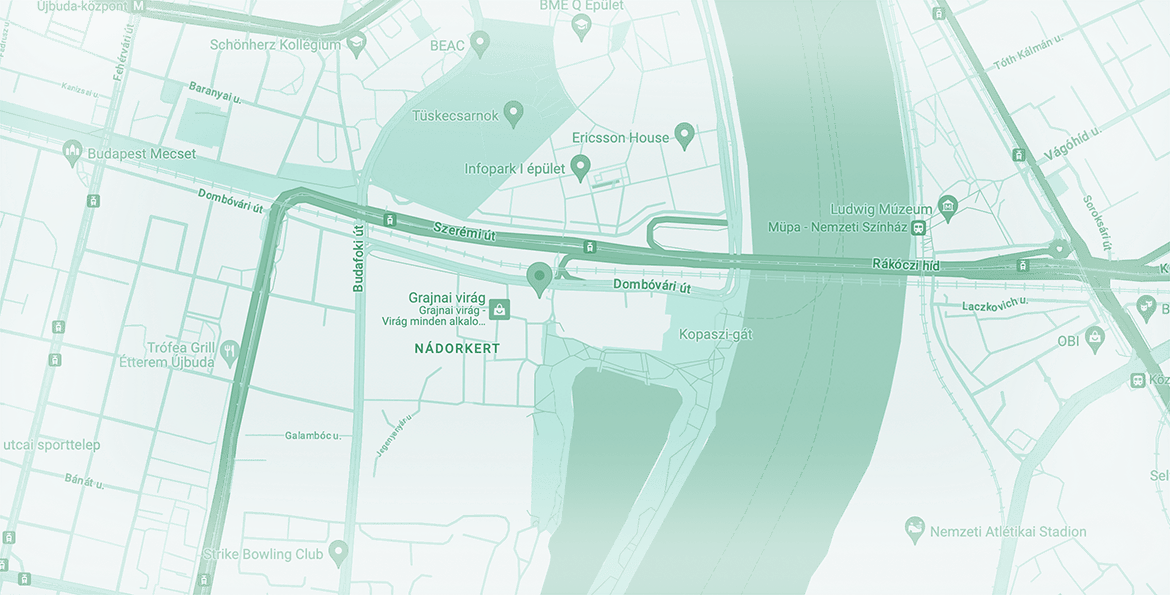
Dombóvári út 27
Budapest 1117, Hungary
If you’re visiting us, please use entrance A and come to the 2nd floor.